
DR POLLY MCGEE, BOARD MEMBER.
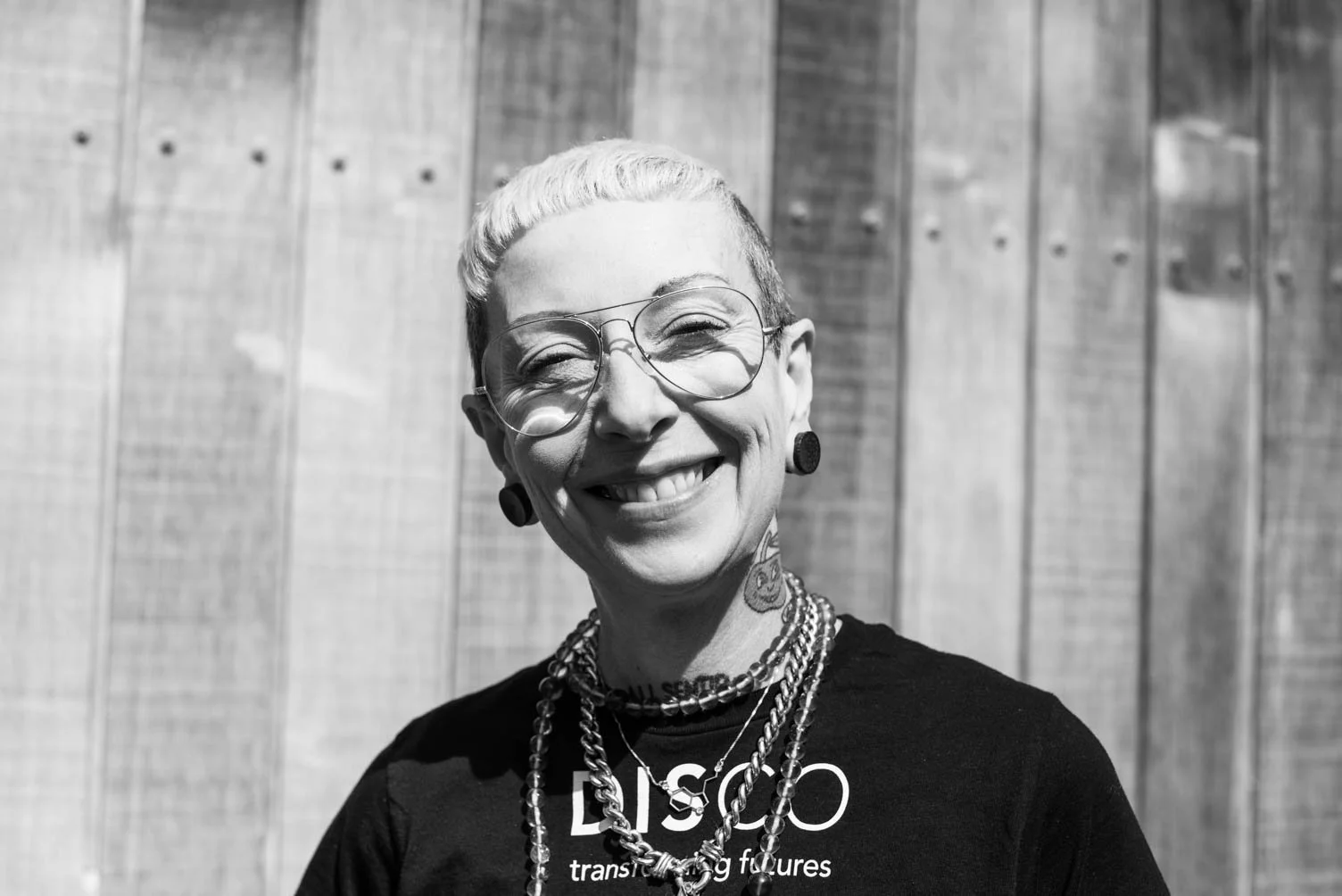
“There’s a deep respect here for agency, autonomy and lived experience.”
“I’ve seen first-hand what happens when young people fall through the cracks, when systems aren’t safe, when adults can’t hold complexity because of their own systemic trauma, and when services inadvertently replicate harm.”
Dr Polly McGee (they/them) is a trauma-trained neuro-leadership consultant, psychotherapist, author and speaker with decades of experience in education, health, justice and social services.
Polly has built a career around one central purpose: helping people and organisations flourish by building trauma-responsive leadership capacity, cultivating psychologically safe and productive workplace cultures, guiding executive teams through complexity and supporting individuals one-on-one.
From fast-growth start-ups to digital strategies and organisational change, Polly brings a unique, intersectional perspective grounded in both neuroscience and compassion.
“I’ve seen first-hand what happens when young people fall through the cracks, when systems aren’t safe, when adults can’t hold complexity because of their own systemic trauma, and when services inadvertently replicate harm,” Polly said.
“Home Base isn’t just about housing – it’s about healing, empowering and making the interventions that can support lifelong change.
I want for us to remain attuned not just to what young people need, but how they experience the services and systems designed to support them, and that they have a voice in their own agency and selfhood.”
That perspective has already been instrumental in shaping key organisational decisions. Polly points to a major review of Home Base’s direction that prioritised depth over scale.
“The Board made some difficult choices about where to focus – not just chasing grant dollars, but keeping children and young people at the centre,” Polly said.
What sets Home Base apart, Polly believes, is its commitment to walking alongside young people rather than delivering services at a distance.
“There’s a deep respect here for agency, autonomy and lived experience,” they said.
“As a Board, we hold that same ethos.
“We don’t just review data – we ask how it feels to the humans at the centre of it. Our governance mirrors the relational culture of the organisation, and that’s what keeps the mission youth-centred, not compliance-centred.”
It’s a commitment that runs through every level of the organisation.
“This is an organisation with both heart and spine,” Polly said.
“The whole team, from leadership to frontline, is deeply committed – not just in output but in embodiment.
“They’re willing to sit in the discomfort of complexity, listen deeply to feedback, and pivot when needed. That kind of integrity is rare.”
For Polly, the story of Home Base is about courage and compassion.
“What impressed me most was the alignment between the values on the page and the behaviours in the room,” they said.
“There’s no performative mission-speak here – just people doing the slow, relational, sometimes messy work of real change.
“That’s exactly the kind of organisation I want to help steward. And that’s exactly the kind of organisation Tasmania needs.”
hear more from polly
Our friend Fergus, recently spoke to the Board about their experiences and work on the Home Base Board. Find out more in the short video below.